The Complete POS System Buying Guide for Small Businesses

Choosing the right point-of-sale system is one of the most important technology decisions a small business can make. The right POS doesn't just process payments — it becomes the central nervous system of your operations.
1. Define Your Requirements
Start by listing everything you need: payment processing, inventory tracking, employee management, customer loyalty, reporting, and integrations with your existing tools. Prioritize must-haves versus nice-to-haves.
2. Cloud vs. On-Premise
Cloud-based POS systems offer automatic updates, remote access, and lower upfront costs. On-premise systems may suit businesses with unreliable internet or strict data residency requirements. Most modern businesses benefit from cloud-first architectures with offline fallback capabilities.
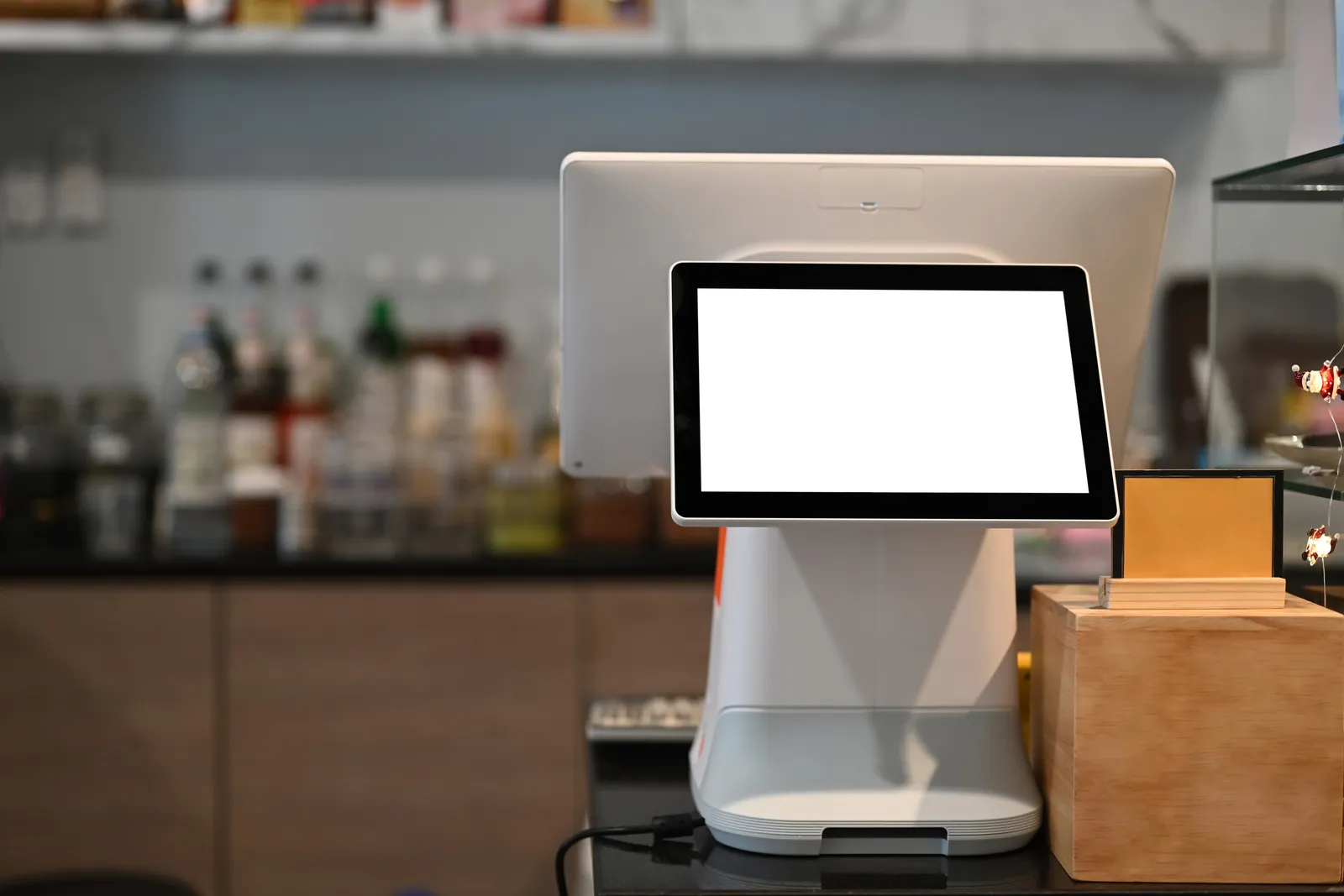
3. Hardware Considerations
Consider the total hardware package: terminal, card reader, receipt printer, cash drawer, barcode scanner, and customer-facing display. Some providers bundle hardware with the subscription; others sell it separately. Ensure the hardware works in your environment — a restaurant kitchen requires different durability than a retail counter.
4. Payment Processing Fees
Understand the difference between flat-rate pricing (e.g., 2.6% + $0.10) and interchange-plus pricing (interchange + fixed markup). Higher-volume businesses typically save money with interchange-plus. Ask about chargebacks, PCI compliance fees, and early termination penalties.
5. Scalability
Choose a system that grows with you. Can it handle multiple locations? Does it support different business types if you expand? Are there API integrations for custom workflows? The cost of switching POS systems later is significant — choose for where you're headed, not just where you are.
Swipe Savvy is designed for businesses at every stage — from single-location startups to multi-location enterprises — with flexible pricing and unlimited scalability.